IN BRIEF - Hudson Valley Fisheries Closes, Highlighting RAS Economics
UNITED STATES
Wednesday, August 05, 2026
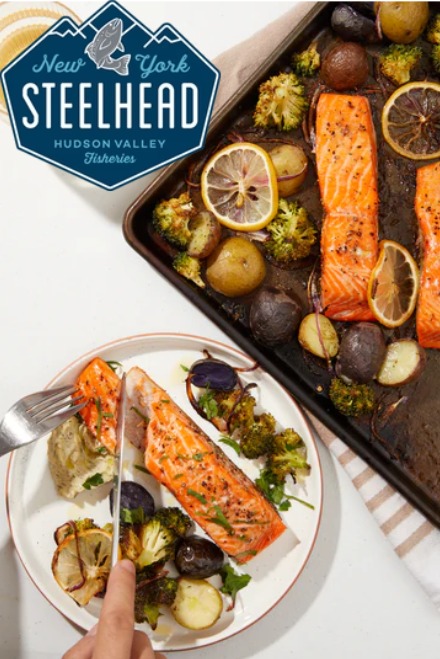
The New York steelhead producer could not secure additional water capacity or offset rising operating costs
Operating since 2018, the company shut down its Hudson facility after failing to obtain a dedicated water line needed to reach profitable scale. The closure ends its fresh, smoked and pet-snack supply and renews concerns over the viability of regional land-based RAS projects in the US
The case also serves as a warning for new land-based trout and salmon projects. Initiatives relying on regional markets can command premium prices based on freshness and origin, but they require sufficient volume to absorb fixed costs associated with pumping, filtration, oxygenation, maintenance, and technical staff.
The exit of Hudson Valley Fisheries does not imply that the RAS model is no longer viable in the United States. However, it demonstrates that technology alone does not solve the economic challenges of land-based aquaculture.
The global seafood giant Thai Union has made a significant recovery in the second quarter of 2026, after a challenging time last year.
The company said it delivered an all-time high gross profit margin of 21.4% - exceeding the 2026 target range and already in line with the company’s 2030 target.
Two of Thai Union’s main brands include John West and King Oscar.The dividend per share grew 14.3%, the company’s strongest interim dividend for four years and equivalent to an attractive interim dividend yield of 3.4%.
Author: Vince McDonagh / Fish Farmer | Read the full article here
Vietnam’s tilapia exports to Japan reached US$1.4 million in the first half of 2026, up 54%. Fillets, representing 67% of export value, are entering the sushi and sashimi segment, supporting the development of higher-value products.
Compared with the United States and Brazil—which currently account for a larger share of Vietnam's tilapia exports—Japan may not generate dramatic export volumes in the short term. However, the market's strategic value lies in its ability to establish benchmark quality standards and pave the way for premium processed seafood products.
Tilapia exports for sushi and sashimi increase raw-material value and create opportunities for sliced fillets, portion packs, ready-to-eat, seasoned, and other value-added products.
The 54% export growth recorded in the first half of 2026 suggests that Japan is opening a new avenue for Vietnam's tilapia industry.
The sector generated nearly US$1.173 billion in revenue during the first half of 2026.
China led the list with US$406.6 million (34.7%), followed by Spain (US$217.7 million) and the US (US$63.3 million). Sales grew by 19.3%, with squid and shrimp leading the shipments.
Spain ranked second with US$217.7 million (18.6%), followed by the United States with US$63.3 million (5.4%). Rounding out the top ten markets are Thailand (US$44.9 million), Italy (US$43.5 million), Brazil (US$43.5 million), Russia (US$40.7 million), Peru (US$36.8 million), Korea (US$19 million), and Vietnam (US$13.2 million), reflecting the broad geographic diversification of destinations for Argentine fishery products.
The regional gap reaches BRL 1.52/kg, according to Cepea
Tilapia averaged BRL 10.21/kg in northern Paraná, despite a weekly decline of 0.43%. Western Paraná remained at BRL 8.69/kg, the lowest price among the monitored regions. Changes below 1% point to a low-volatility market, while regional supply and processing dynamics continue to shape farm-gate prices.
A report on the Galician economy published by the University of Santiago de Compostela acknowledges the substitution effect that has occurred within the Galician mussel canning industry, where local mussels have been replaced by *choritos* (Chilean mussels). In this regard, the article analyzing the fishing sector—authored by Gonzalo Rodríguez, a researcher in Applied Economics at the University of Santiago de Compostela—explains that "while prior to 2007 approximately two-thirds of production went to the processing industry and one-third to the fresh market, that ratio subsequently reversed, completely altering commercial dynamics and forcing the opening of new markets for fresh consumption."
Source: iPac.acuicultura | Read the full article here
Over six years, Chilean salmon producer Ventisqueros reduced the share of waste sent to landfill from 26 percent to 0.6 percent through its circular economy strategy.
In 2025, Ventisqueros recovered 99.4 percent of the waste generated by its operations, advancing its progress towards eliminating landfill waste by 2026 under its “Zero Waste to Landfill” programme.
During the year, the company generated 30,592 tonnes of waste, of which 30,396 tonnes were recovered, reused or otherwise diverted from disposal. As a result, only 0.6 percent was sent to an authorised landfill – a sharp reduction from 26 percent in 2019 following systematic efforts to expand circular economy practices.
Source: The Fish Site | Read the full article here
The first significant shipment of Scottish salmon has arrived in India after a free trade deal led to a 33 per cent tariff being lifted.
Freshly harvested from Scotland’s west coast by leading salmon producer Bakkafrost Scotland, the salmon arrived at Sashimi Foods in Bengaluru on Friday. Sent by air via Heathrow Airport, the delivery arrived less than two weeks after the UK Government’s trade deal with India came into force – and as Glasgow prepares to hand the Commonwealth Games baton to Amdavad.
The Chittoor Fisheries Department launches a 5-day awareness campaign to help fish farmers mitigate El Niño impacts like water shortage and low oxygen.
The Tirupati Fisheries Department held an awareness drive to alert fishers and aquaculture farmers about the impacts of El Niño, promoting adaptation measures to reduce risks to fisheries and production.
Pacific tuna treaty delivers US$50.4m to island nations
FFA calls the agreement vital for regional fisheries cooperation.
The U.S. Tuna Treaty will distribute US$50.42 million to Pacific Island Parties, strengthening a partnership that grants U.S. purse-seine vessels access to regional waters through 2033.
Norway Pelagic Fishing Update Week 31 Norway
North Sea Herring Fishing Continues in the British Zone
North Sea herring catches lead activity in week 31, accompanied by regular landings of mackerel, blue whiting, sprat, and NVG herring
During w...





 UNITED STATES
 The New York steelhead producer could not secure additional water capacity or offset rising operating costs
 THAILAND
 The global seafood giant
  NORWAY
 Norway’s average export price for fresh salmon rose 21.4% year on year in week 31 as export volumes also increased, official figures showed.
 JAPAN
JAPAN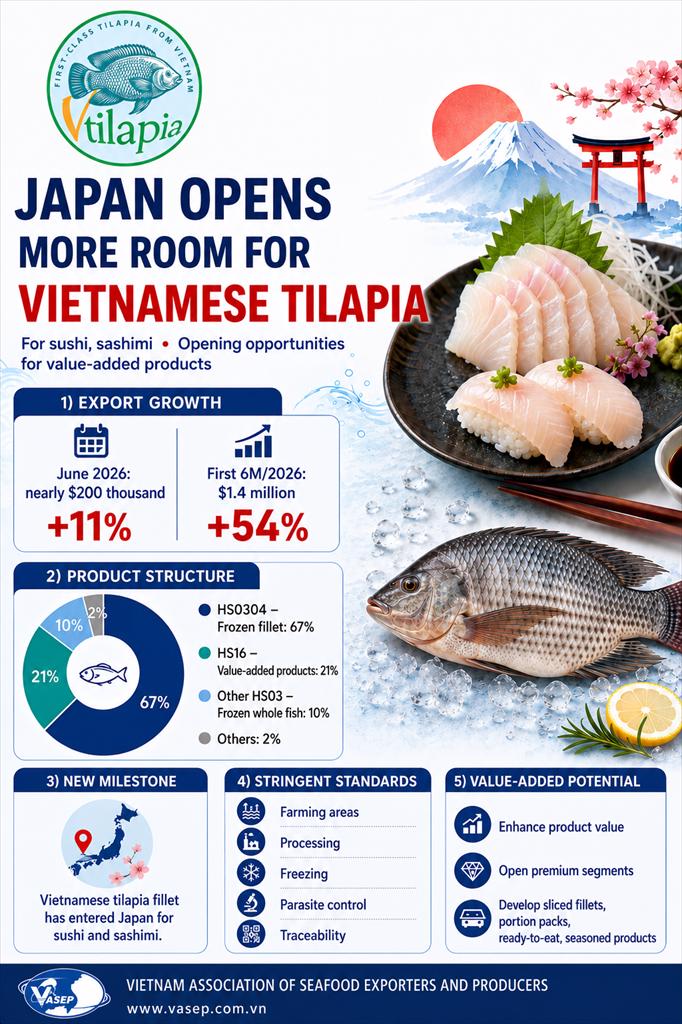 Fillets now enter the sushi and sashimi segment.
 ARGENTINA
.png) China led the list with US$406.6 million (34.7%), followed by Spain (US$217.7 million) and the US (US$63.3 million). Sales grew by 19.3%, with squid and shrimp leading the shipments.
China led the list with US$406.6 million (34.7%), followed by Spain (US$217.7 million) and the US (US$63.3 million). Sales grew by 19.3%, with squid and shrimp leading the shipments. BRAZIL
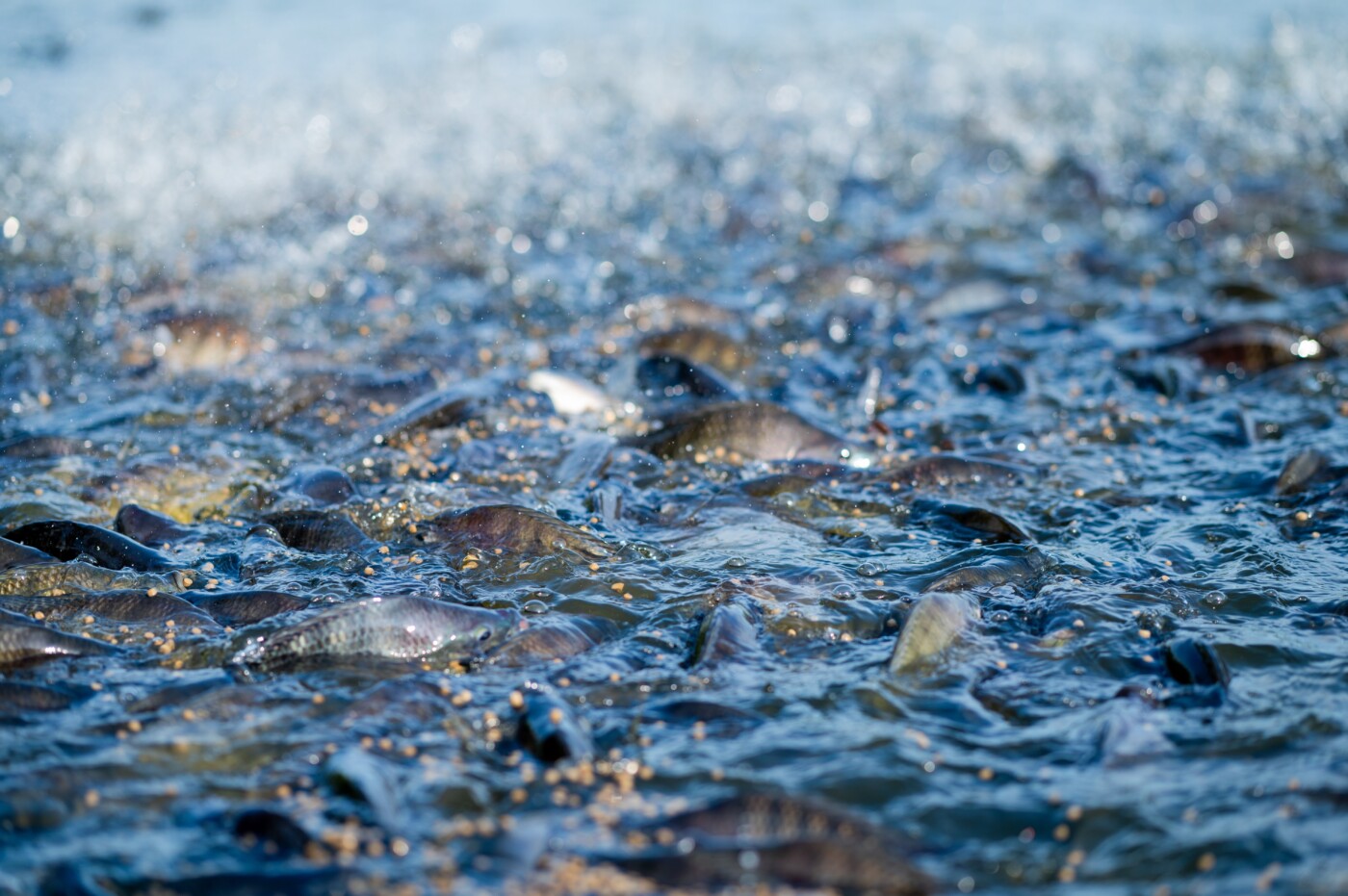 The regional gap reaches BRL 1.52/kg, according to Cepea
 SPAIN
SPAIN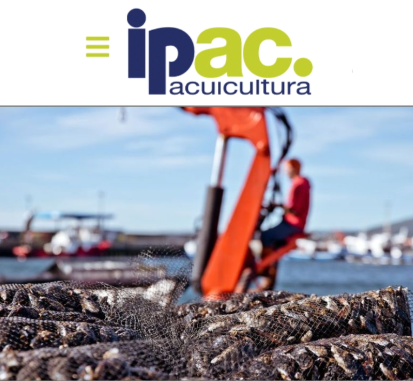 A report on the Galician economy published by the University of Santiago de Compostela acknowledges the substitution effect that has occurred within the Galician mussel canning industry, where local mussels have been replaced by *choritos* (Chilean mussels). In this regard, the article analyzing the fishing sector—authored by Gonzalo Rodríguez, a researcher in Applied Economics at the University of Santiago de Compostela—explains that "while prior to 2007 approximately two-thirds of production went to the processing industry and one-third to the fresh market, that ratio subsequently reversed, completely altering commercial dynamics and forcing the opening of new markets for fresh consumption."
 CHILE
CHILE.png) Over six years, Chilean salmon producer
Over six years, Chilean salmon producer  INDIA
INDIA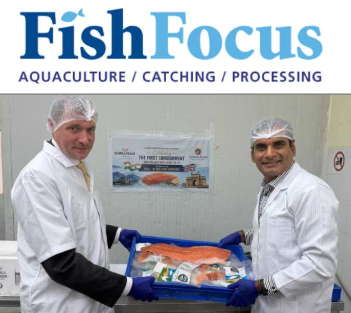 The first significant shipment of Scottish salmon has arrived in India after a free trade deal led to a 33 per cent tariff being lifted.
.png) The Chittoor Fisheries Department launches a 5-day awareness campaign to help fish farmers mitigate El Niño impacts like water shortage and low oxygen.
The Chittoor Fisheries Department launches a 5-day awareness campaign to help fish farmers mitigate El Niño impacts like water shortage and low oxygen. NEW ZEALAND
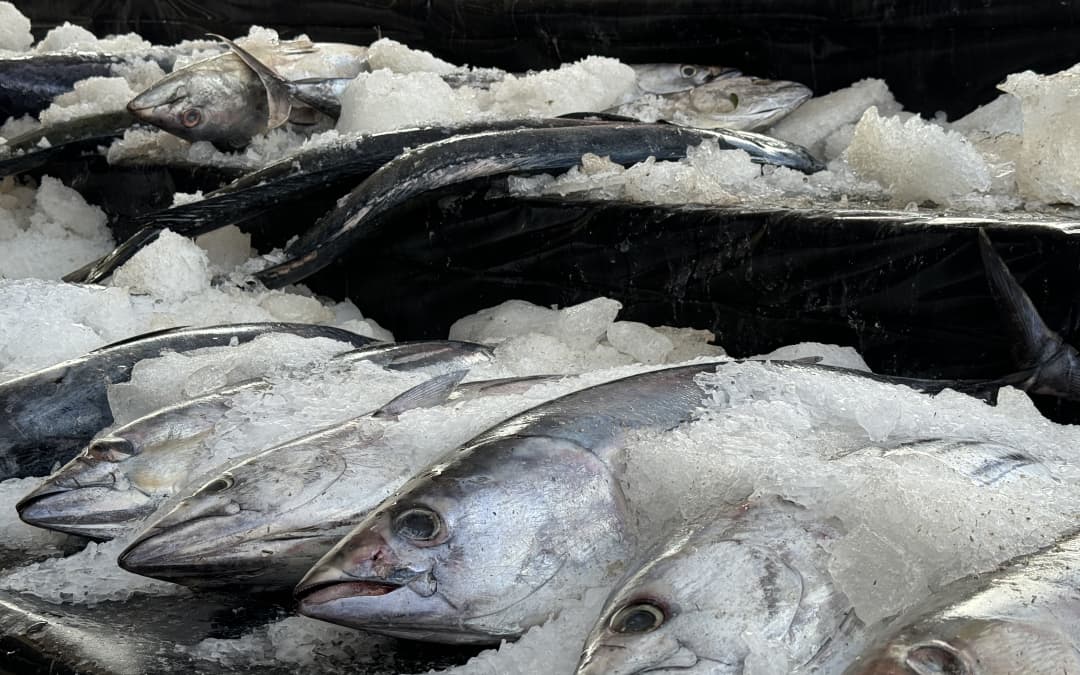 Pacific tuna treaty delivers US$50.4m to island nations