Other Media | SalmonBusiness: Smoked trout linked to two fatal cases in listeria outbreak in the Netherlands
NETHERLANDS
Friday, July 10, 2020
Six sick people have been hospitalised.
Food Safety reports that at least two two people have died in a Listeria outbreak linked to chilled smoked trout fillets in the Netherlands.
“Six sick people have been hospitalised and two died from their infections. Another person has died but no information about the cause of death was given,” it wrote.
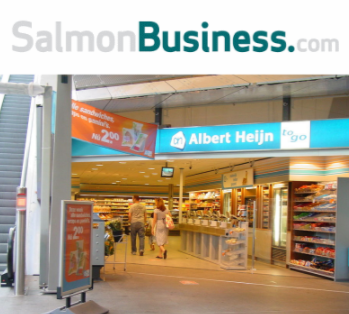
Four products were recalled in the third week of June. This included smoked trout fillets from Vis Marine, Albert Heijn (which is Netherlands’ largest supermarket chain) and two fish items from Bond Seafood. Shelf life dates ranged from June 20 to July 5.
Source: SalmonBusiness | Read the full article here
Singapore-listed group establishes Timor Aquahub to develop lobster farming, seafood processing and exports
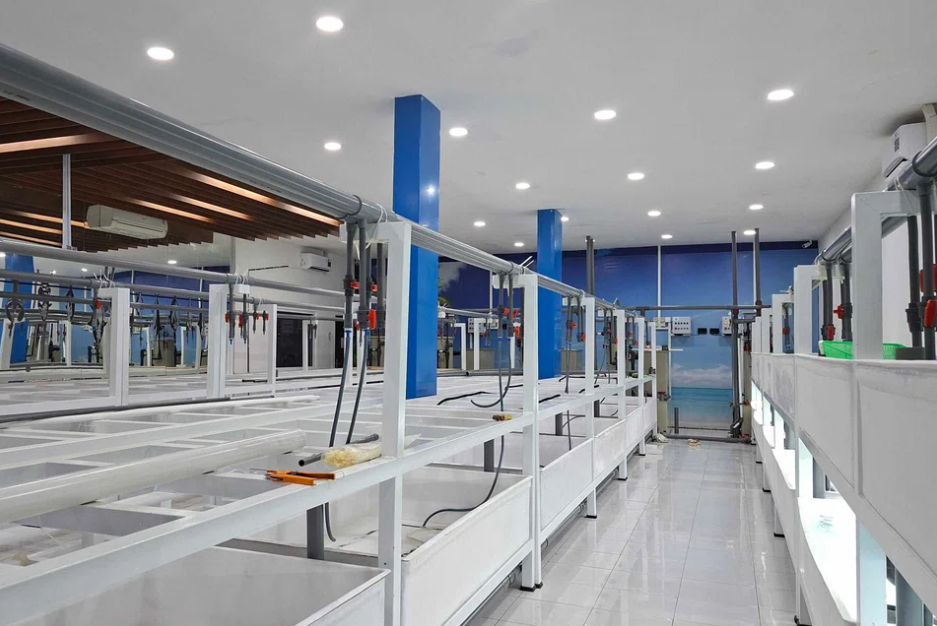
Qian Hu has launched Timor Aquahub International in Timor-Leste, holding a 55% stake. The company plans to invest US$1 million in an operational base and US$2 million in a seaside hatchery, targeting sustainable lobster farming, seafood processing and regional exports.
Both countries aim to advance sustainable management, research and technology transfer.
Norwegian Ambassador Håkon Arald Gulbrandsen and Minister Sultan Salauddin Tuku discussed expanding cooperation in fisheries and marine resources, focusing on production, research, technology and knowledge exchange.
Emergency measures aim to prevent mass fish deaths during South Korea's extreme summer heat
Incheon inspected nine fishing ports and fish farms in Ganghwa and Yeongjong after water temperatures reached 34.5°C. Farmers are using oxygen generators, water wheels and shade screens, while authorities provide equipment and low-interest loans and assess farming subtropical species.
Barely three weeks into the fishing season, and following an assessment of the fishing grounds, the Falkland Islands government has suspended the *Loligo* squid campaign. This species is one of the most important resources yielded by the waters surrounding the British-administered islands—waters that are the subject of a sovereignty dispute with Argentina. The suspension has a direct impact on the port of Vigo and its processing industry, as Vigo is the primary hub for processing and exporting squid that has been flash-frozen at sea aboard factory ships; these vessels belong to joint-venture fleets involving Vigo-based shipowners and Falkland Islands business partners.
Author: Luis Carlos Llera / La Voz de Galicia | Read the full article here
Salmon farming is a “key anchor” for rural and coastal areas in Scotland, a new independent study has found.
Analysis from AECOM of the role of salmon farming in Scotland’s communities found it significantly supports the economic and social fabric of the country’s rural, coastal and island communities.
The report found salmon farming helped sustain school rolls, teaching posts, local shops and businesses as well as directly employing more than a third of the population of one island.
Inarctica, Russia’s largest commercial salmon and sea trout producer, saw its revenues rise by 38% in the first six months of this year.
The company says it earned 13.8 billion rubles (£125m) for the half year ended 30 June.
It said the sales volume increased by 57% year-on-year to 13,200 tons, driven by the recovery of fish biomass in water and strong demand for fresh red fish on the Russian market.
The revenue rise was due to increased sales volumes amid more conservative average market prices for red fish.
Author: Vince McDonagh / Fish Farmer | Read the full article here
A “parking assist” system for aquaculture workboats has been developed following a request from a boatbuilder to a maritime technology company in Norway.
The Zeawatch Docking Assist system is designed to help aquaculture operators avoid collisions with objects in the water, thereby reducing downtime and repair costs. It combines a range of technologies to provide the crew with a comprehensive overview of infrastructure, both above and below the waterline.
Development of the system began in May this year when Stig Rune Nørbech, chief commercial officer for Flatanger boat builder Damen Folla (previously Folla Maritime) contacted Zeabuz chief executive and chief technology officer Øyvind Smogeli.
Source: fishfarmingexpert | Read the full article here
The Vietnamese province is advancing efforts to lift the European Commission’s “yellow card” and build sustainable fisheries.
Khanh Hoa has licensed 99.9% of eligible fishing vessels, while 100% of vessels 15 metres or longer have VMS. In June, all 6,252 tonnes of seafood landed at ports were electronically recorded to ensure traceability.
New legislation proposes incorporating eDNA to improve scientific assessments of marine stocks.
The Fisheries Science Modernization Act of 2026 would direct NOAA Fisheries to establish a pilot program validating environmental DNA (eDNA) across different regions and species. The initiative aims to expand sampling, develop national standards, and complement traditional survey methods for more accurate and efficient fisheries management.
Rising sea temperatures and shifting ocean currents could reduce fish populations.
Fisheries Minister Jelta Wong urged stronger sustainable fishing, catch limits, monitoring and marine protected areas to safeguard fisheries resources and food security.
Chancay: South America's Shanghai or a Chinese Myth? Peru
Twenty months after its inauguration, the port of Chancay fails to lower costs for Peruvian exporters despite cutting travel time to Asia by twelve days.
Foto: Chancay Port / Ocean Alliance
...
Toyosu shows strong segmentation between fresh and frozen tuna Japan
Tokyo wholesale market reports prices up to ¥16,200/kg (US$ 108.00/kg) for domestic fresh tuna, while frozen tuna drops to an average value of ¥3,727/kg (US$ 24.85/kg) despite higher volumes.
...



 NETHERLANDS
 Six sick people have been hospitalised.
 SINGAPORE
 Singapore-listed group establishes Timor Aquahub to develop lobster farming, seafood processing and exports
 BANGLADESH
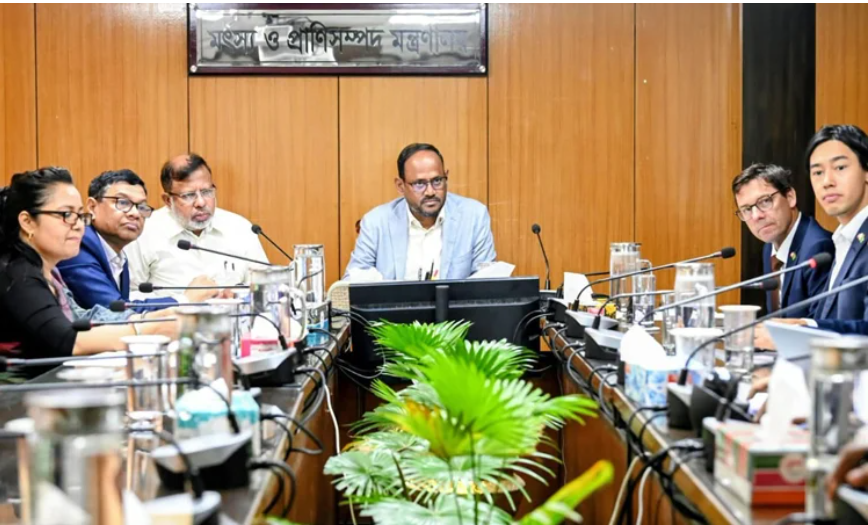 Both countries aim to advance sustainable management, research and technology transfer.
 SOUTH KOREA
.png) Emergency measures aim to prevent mass fish deaths during South Korea's extreme summer heat
Emergency measures aim to prevent mass fish deaths during South Korea's extreme summer heat FALKLAND ISLANDS
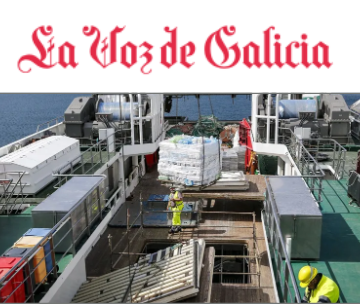 Barely three weeks into the fishing season, and following an assessment of the fishing grounds, the Falkland Islands government has suspended the *Loligo* squid campaign. This species is one of the most important resources yielded by the waters surrounding the British-administered islands—waters that are the subject of a sovereignty dispute with Argentina. The suspension has a direct impact on the port of Vigo and its processing industry, as Vigo is the primary hub for processing and exporting squid that has been flash-frozen at sea aboard factory ships; these vessels belong to joint-venture fleets involving Vigo-based shipowners and Falkland Islands business partners.
  UNITED KINGDOM
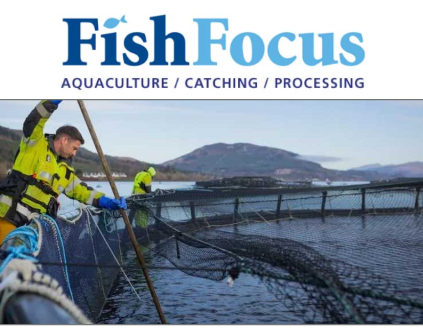 Salmon farming is a “key anchor” for rural and coastal areas in Scotland, a new independent study has found.
 RUSSIAN FEDERATION
.png) The company says it earned 13.8 billion rubles (£125m) for the half year ended 30 June.
The company says it earned 13.8 billion rubles (£125m) for the half year ended 30 June.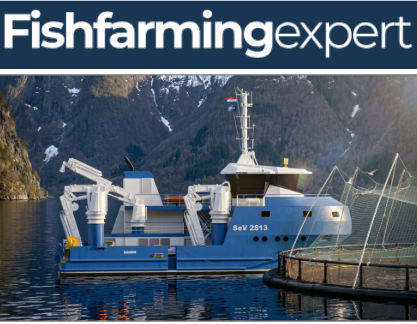 The Zeawatch Docking Assist system is designed to help aquaculture operators avoid collisions with objects in the water, thereby reducing downtime and repair costs. It combines a range of technologies to provide the crew with a comprehensive overview of infrastructure, both above and below the waterline.
 VIET NAM
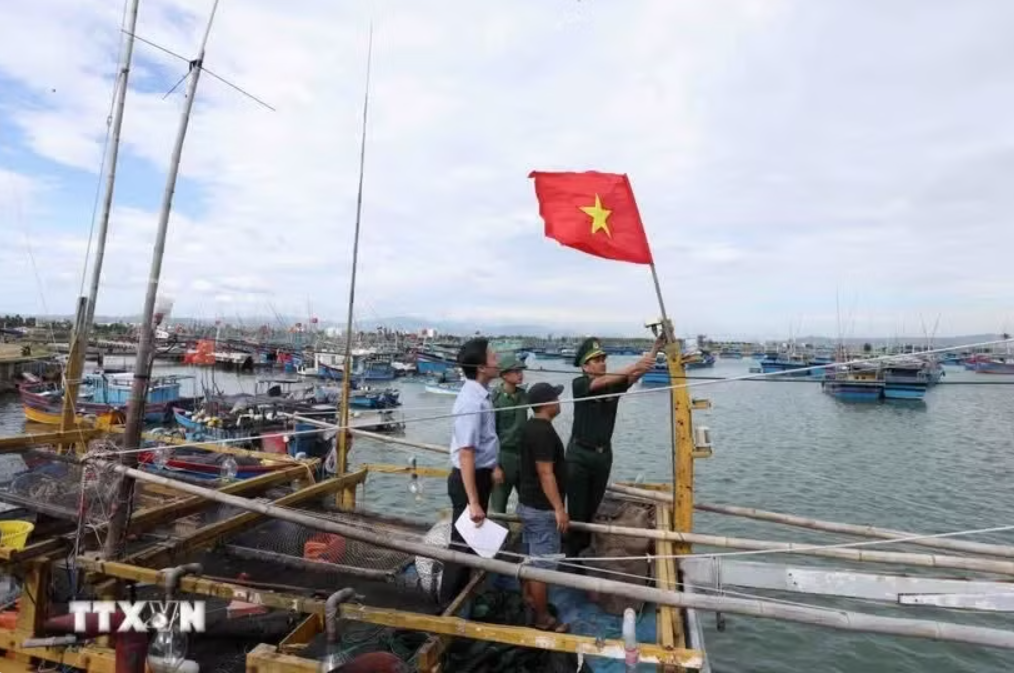 The Vietnamese province is advancing efforts to lift the European Commission’s “yellow card” and build sustainable fisheries.
 UNITED STATES
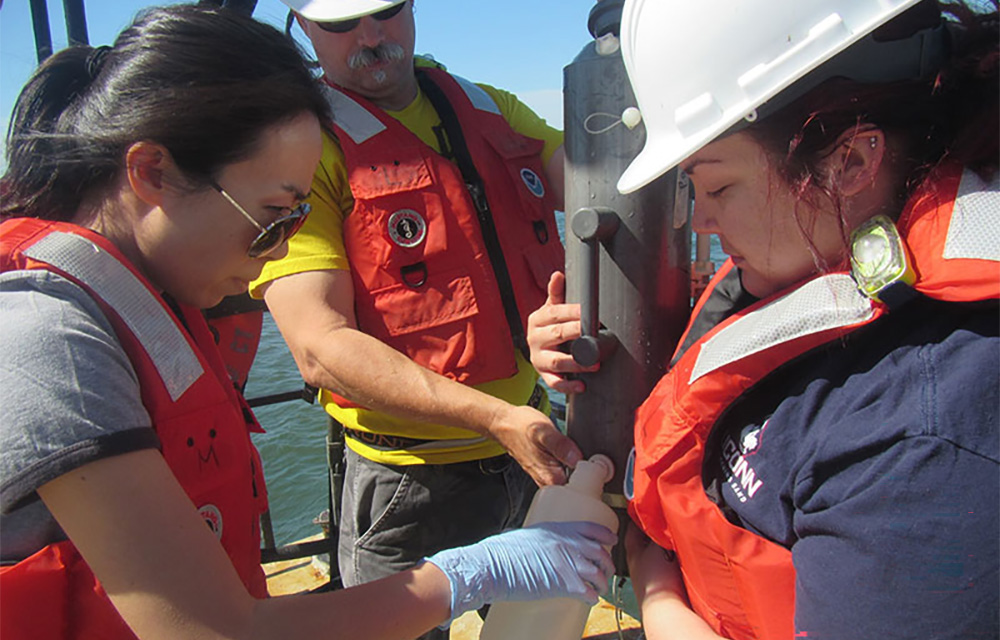 New legislation proposes incorporating eDNA to improve scientific assessments of marine stocks.
 PAPUA NEW GUINEA
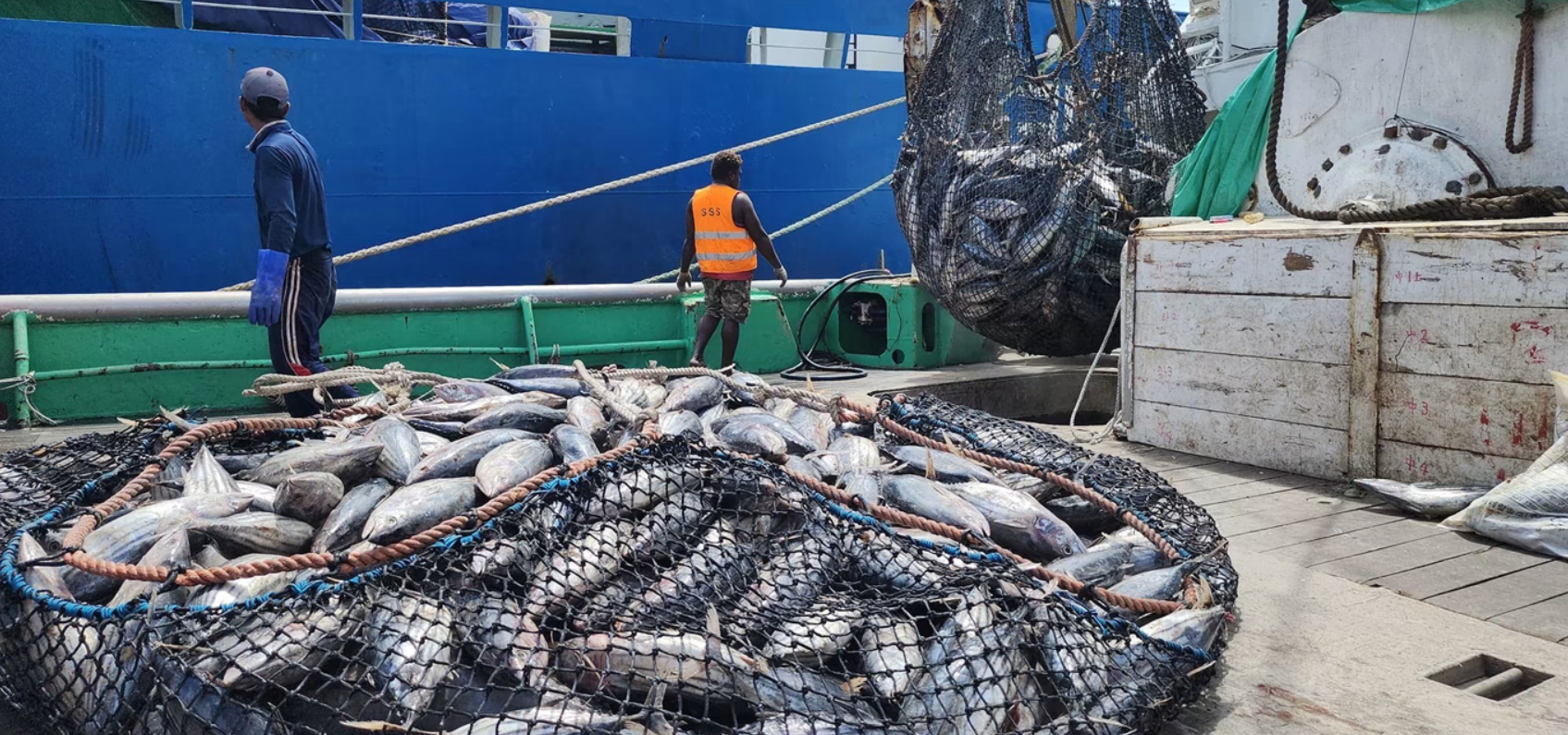 Rising sea temperatures and shifting ocean currents could reduce fish populations.