|
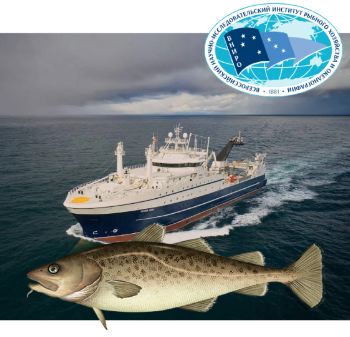
Photo: Federal Agency for Fisheries (Rosrybolovstvo) / Vniro
Northern Basin Atlantic Cod Spawning Stocks Begin Rebuilding
 RUSSIAN FEDERATION
Friday, September 25, 2026, 04:00 (GMT + 9)
Following a prolonged decline since 2015, Russian and Norwegian scientists observe signs of stabilization and project a Total Allowable Catch increase for 2027
 The agency Rosrybolovstvo regularly monitors the status of aquatic biological resources to ensure sustainable harvesting. After a prolonged period of population decline, a positive reversal has been observed in the stock status of Atlantic cod (Gadus morhua), one of the most vital fishery resources in the Barents Sea and the Northern Basin. The agency Rosrybolovstvo regularly monitors the status of aquatic biological resources to ensure sustainable harvesting. After a prolonged period of population decline, a positive reversal has been observed in the stock status of Atlantic cod (Gadus morhua), one of the most vital fishery resources in the Barents Sea and the Northern Basin.
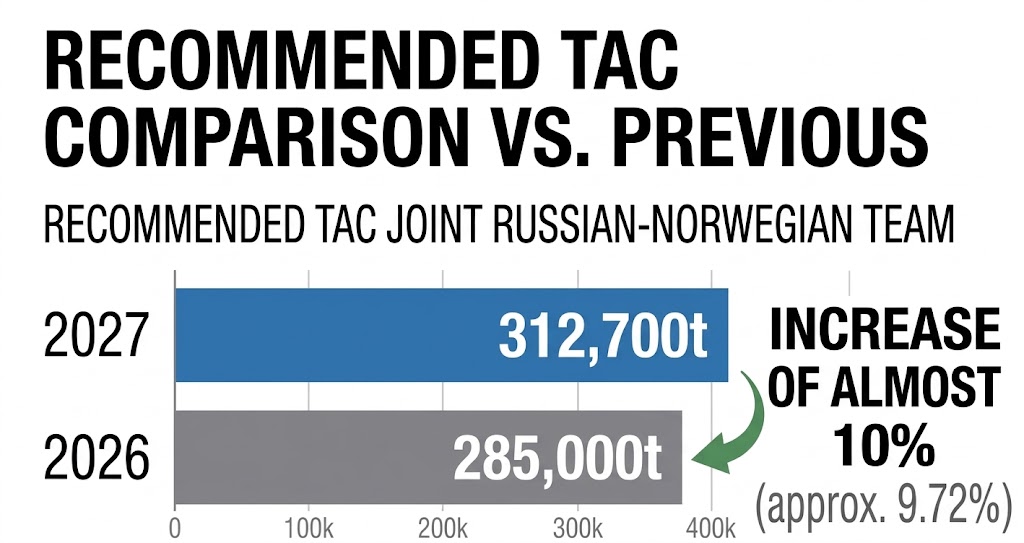
A joint team of scientists from Russia and Norway, following resource surveys across the region, recommended setting the Atlantic cod catch limit for 2027 at no more than 312,700 tons. This figure represents an increase of nearly 10% compared to the 2026 total allowable catch of 285,000 tons.

"It appears that the decline in stocks that began in 2015 has stopped. The stock is stabilizing," noted Konstantin Sokolov, head of the VNIRO Polar Branch, speaking at the IX International Fisheries Forum.
According to scientific assessments, the decline observed in recent years was primarily caused by the low abundance of new Atlantic cod recruitments, whose survival rate was impacted by prolonged temperature fluctuations in the Barents Sea. Meanwhile, fishing operations have been maintained at precautionary levels, with management restrictions successfully reducing exploitation pressure on the stock.
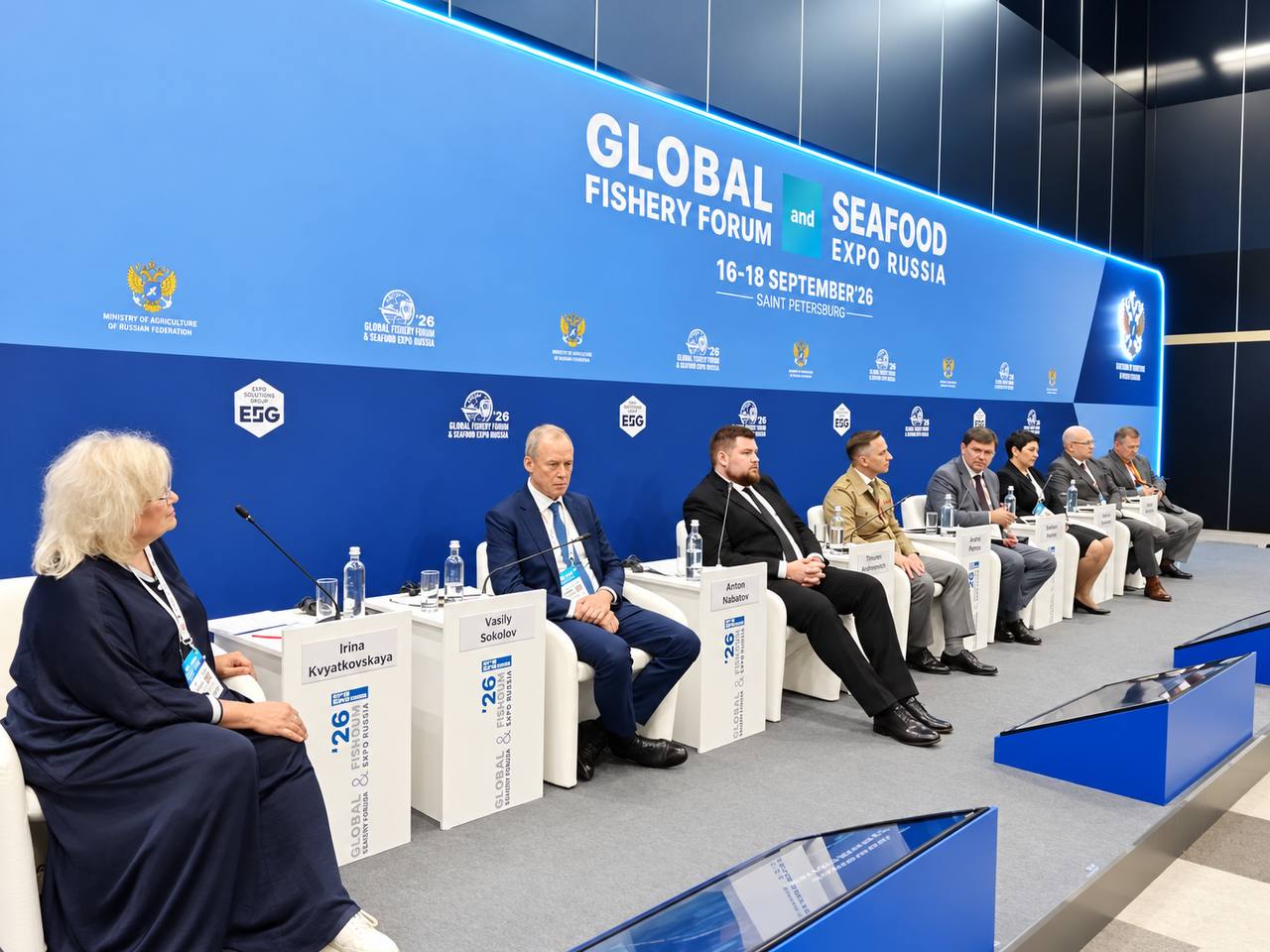
IX International Fisheries Forum
Atlantic cod is not only a core commercial species for Russia's northern fishing fleet, but also an ecosystem-structuring species that directly impacts the entire Barents Sea continental shelf ecosystem. Consequently, all management decisions regarding catch quotas are grounded in comprehensive resource evaluations conducted by institutions under the Federal Agency for Fisheries (Rosrybolovstvo).
.png)
Click on the image to enlarge it. Source: FishNEWS.ru
There are tangible grounds for cautious optimism across the industry:
-
The 2021 year-class, which has proven significantly stronger than several weak year-classes of recent years, is beginning to recruit into the commercial stock.
-
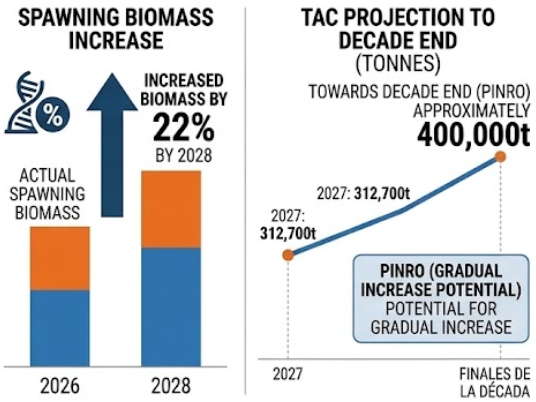
Provided scientific recommendations are strictly maintained, the spawning stock biomass could increase by 22% by 2028.
-
By the end of the decade, PINRO projects a potential progressive increase in the total allowable catch toward approximately 400,000 tons.
Despite these encouraging projections, the Atlantic cod stock remains vulnerable, with the spawning component still positioned below precautionary reference thresholds. Therefore, authorities clarify that this development does not signal an immediate return to historic harvest levels, but rather the initial phase of stabilization that requires careful consolidation.
The scientific recommendation does not yet represent the finalized Total Allowable Catch limit. The official quotas for 2027 will be formally determined by the Joint Russian-Norwegian Fisheries Commission.
🇯🇵 日本語 (Japanese Version) | AIによる自動翻訳
北部海域のタイセイヨウダラ親魚資源が回復の兆し
2015年からの長期的な減少を経て、ロシアとノルウェーの研究チームが安定化の兆候を確認、2027年の総許容漁獲量の引き上げを提言
ロシア連邦漁業庁(Rosrybolovstvo)は、持続可能な漁獲枠の設定に向け、水産生物資源の状況を定期的に調査・監視しています。長期にわたる資源量の減少を経て、バレンツ海および北部海域における最も重要な水産資源の一つであるタイセイヨウダラ(Gadus morhua)の資源状況に好ましい好転が観測されました。
ロシアとノルウェーの共同研究チームは、同海域の資源調査に基づき、2027年におけるタイセイヨウダラの漁獲上限を312,700トンを超えないレベルに設定するよう推奨しました。この数値は、2026年の総許容漁獲量(TAC)である285,000トンと比較して約10%の増加となります。
「2015年に始まった資源量の減少は歯止めがかかったとみられます。資源は安定化に向かっています」と、VNIRO極地支部の責任者であるコンスタンチン・ソコロフ(Konstantin Sokolov)氏は第9回国際漁業フォーラムにて説明しました。
科学的見解によると、近年みられた資源減少の主な要因は、バレンツ海における長期的な水温変化に伴うタイセイヨウダラの新世代(加入群)の生き残りの低下によるものでした。一方で、漁獲活動は予防的アプローチに基づく制限下で行われており、適切な規制措置が資源への漁獲圧力を軽減させることに寄与しています。
タイセイヨウダラは、ロシアの北部漁業にとっての中核的な商業魚種であるだけでなく、バレンツ海の陸棚生態系全体に強い影響を及ぼす基幹種でもあります。このため、漁獲枠に関するすべての決定は、ロシア連邦漁業庁(Rosrybolovstvo)傘下の専門研究機関による包括的な資源評価に基づいて行われています。
水産業界において慎重ながらも前向きな兆候がいくつか確認されています。
-
直近の不振な年代群と比較して高い発生量を示した2021年発生群が、商業資源(漁獲対象)へ加入し始めています。
-
科学的アドバイスが遵守されれば、親魚資源量(産卵親魚量)は2028年までに22%増加する可能性があります。
-
PINROの予測では、今世紀末に向けて総許容漁獲量を段階的に約400,000トンまで引き上げることが可能と見込まれています。
ただし、これらの好材料はあるものの、資源は依然として脆弱な状態にあり、親魚資源量は予防的基準値を下回っています。したがって、かつての漁獲水準への即座の復帰を意味するものではなく、まずはこの安定化の初期段階を確実に定着させることが極めて重要とされています。
今回の科学的推奨数値は、まだ最終的な総許容漁獲量(TAC)を決定づけるものではありません。2027年の正式な漁獲枠は、ロシア・ノルウェー合同漁業委員会の最終決定によって確定します。
🇨🇳 中文 (Simplified Chinese Version) | 由人工智能自动翻译
北部海区大西洋鳕鱼产卵群体出现恢复迹象
自2015年持续减少后,俄挪联合科学家团队观察到稳定性迹象,并建议上调2027年总允许捕捞量
俄罗斯联邦渔业署(Rosrybolovstvo)对水生生物资源状况进行定期监测,以确保捕捞活动的可持续性。在经历了长期的资源量下降后,巴伦支海及北部海区最重要的渔业资源之一——大西洋鳕鱼(Gadus morhua)的种群状况出现了积极的反转。
俄罗斯与挪威的联合科学家团队在对该海区进行资源调查后,建议将2027年的大西洋鳕鱼捕捞上限设定为不超过312,700吨。这一数字比2026年的预定总允许捕捞量(285,000吨)增加了近10%。
全俄海洋渔业与海洋学研究所(VNIRO)极地分部负责人康斯坦丁·索科洛夫(Konstantin Sokolov)在第九届国际渔业论坛上指出:“自2015年开始的资源量下降似乎已经停止,种群正在走向稳定。”
根据科学家的分析,近年来的种群下降主要是由于大西洋鳕鱼补充群体数量偏低所致,其存活率受到了巴伦支海长期水温变化的影响。与此同时,捕捞活动一直保持在预防性水平,管理限制措施有效减轻了对种群的捕捞压力。
大西洋鳕鱼不仅是俄罗斯北部渔业的核心商业物种,也是影响整个巴伦支海大陆架生态系统的关键建群物种。因此,有关捕捞配额的所有决策均建立在俄罗斯联邦渔业署(Rosrybolovstvo)下属科研机构对资源状况进行的综合评估基础之上。
目前,行业内部已有保持谨慎乐观的充份依据:
-
事实证明,2021年出生的世代明显强于过去几年的多个弱世代,现已开始补充进入商业可捕群体;
-
如果严格遵循科学建议,产卵群体生物量有望在2028年增长22%;
-
到本十年末,极地海洋渔业与海洋学研究所(PINRO)预计允许将总允许捕捞量逐步提高至约400,000吨。
尽管存在这些积极预测,该种群目前仍处于脆弱状态,其产卵群体数量仍低于预防性参考基准。因此,相关部门明确表示,这并不意味着立即恢复到以往的高捕捞量,而是需要巩固和维持这来之不易的初步稳定迹象。
科学家的建议值尚不是最终的捕捞配额。2027年的最终决策将由俄挪联合渔业委员会正式做出。
editorial@seafood.media
www.seafood.media
|




.png)
 Print
Print