|
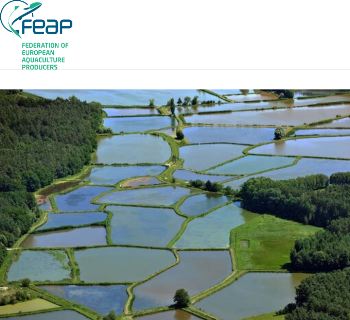
Photo: FEAP/FIS
FEAP Claims Ecosystem Value of Freshwater Fishponds Amid Climate Change in the European Union
 EUROPEAN UNION
Wednesday, September 16, 2026, 00:10 (GMT + 9)
The Federation of European Aquaculture Producers urges recognition of the multifunctional role of traditional pond aquaculture, a system managing 250,000 hectares of wetlands across the continent and offering solutions to drought and biodiversity loss
Brussels – The Federation of European Aquaculture Producers (FEAP) published an official statement on September 9, 2026, focusing on the ecosystem values of freshwater fishponds in the context of climate change. The document highlights that traditional pond aquaculture, predominantly based on the polyculture of common carp (Cyprinus carpio), maintains approximately 250,000 hectares of nature-like wetlands in the European Union, representing a crucial component of green infrastructure and rural heritage across the continent.
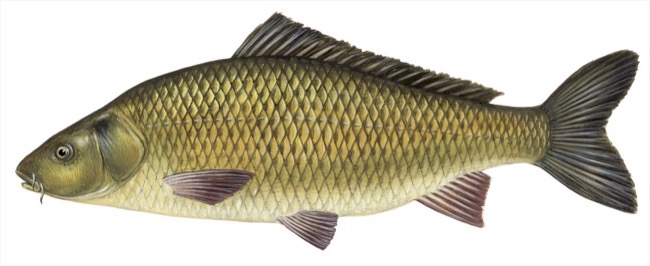
Common carp (Cyprinus carpio). Source: FAO
The statement stresses that fishponds are not merely food production facilities, but multifunctional systems combining local food supply with nature conservation, climate change mitigation, and adaptation. In the face of increasing drought frequency, water scarcity, and biodiversity decline, FEAP emphasizes that these ecological functions are not accidental, but created and actively maintained through continuous farming operations.
Ecosystem Functions and Active Pond Management
Traditional continental systems operate extensively or semi-intensively with low inputs and minimal to no reliance on fishmeal. These ponds raise native, low-trophic species including common carp, European catfish (Silurus glanis), pikeperch (Sander lucioperca), and pike (Esox lucius). According to production datasets gathered from FEAP member associations, major European producing countries recorded 54,793 tons of cyprinid species in 2023, of which 51,784 tons were common carp.
The report warns that abandoning fish farming activities does not result in natural habitat restoration. The absence of water-level control, vegetation management, and periodic maintenance leads to the loss of the open-water and wetland mosaic. Studies cited in the document, including research from Germany, confirm that unmanaged or abandoned ponds exhibited the lowest wild fish species richness.
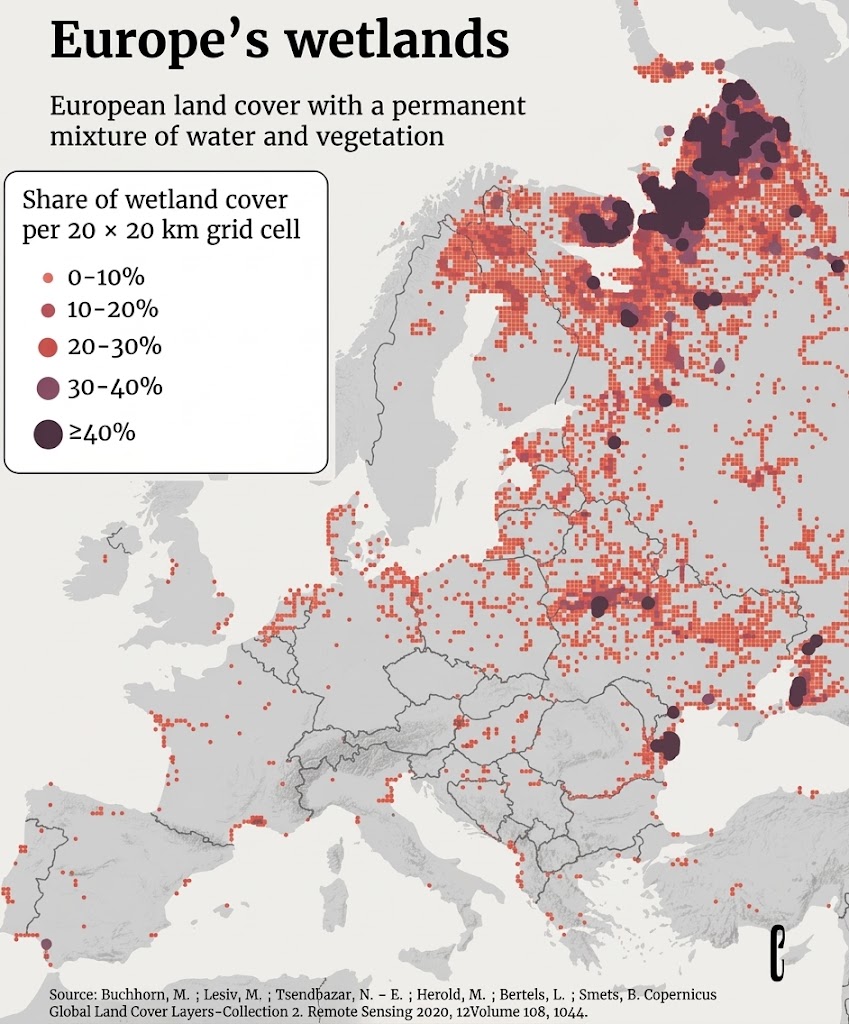
Source: Data visualisation by Sebastian Gräff / The European Correspondent
Key identified ecosystem services include:
-
Water Storage and Regulation: Providing flood buffering, groundwater recharge, landscape-scale water retention, and irrigation support during dry periods.
-
Local Climate Regulation: Moderating extreme temperatures and buffering heat effects through evapotranspiration from open water surfaces, reedbeds, and wetland vegetation.
-
Biodiversity Conservation: Providing critical habitats for amphibians, reptiles, mammals, invertebrates, and over 400 bird species, directly supporting the Natura 2000 network.
-
Water Purification and Circular Economy: Functioning as natural bioreactors that settle and break down nutrients and organic matter. Periodic sediment desilting restores water storage capacity and supplies organic fertilizer for depleted agricultural soils, reducing dependence on synthetic mineral fertilizers. However, FEAP notes that sediment removal entails high operational costs not adequately covered by European funding instruments such as EMFAF (European Maritime, Fisheries and Aquaculture Fund).
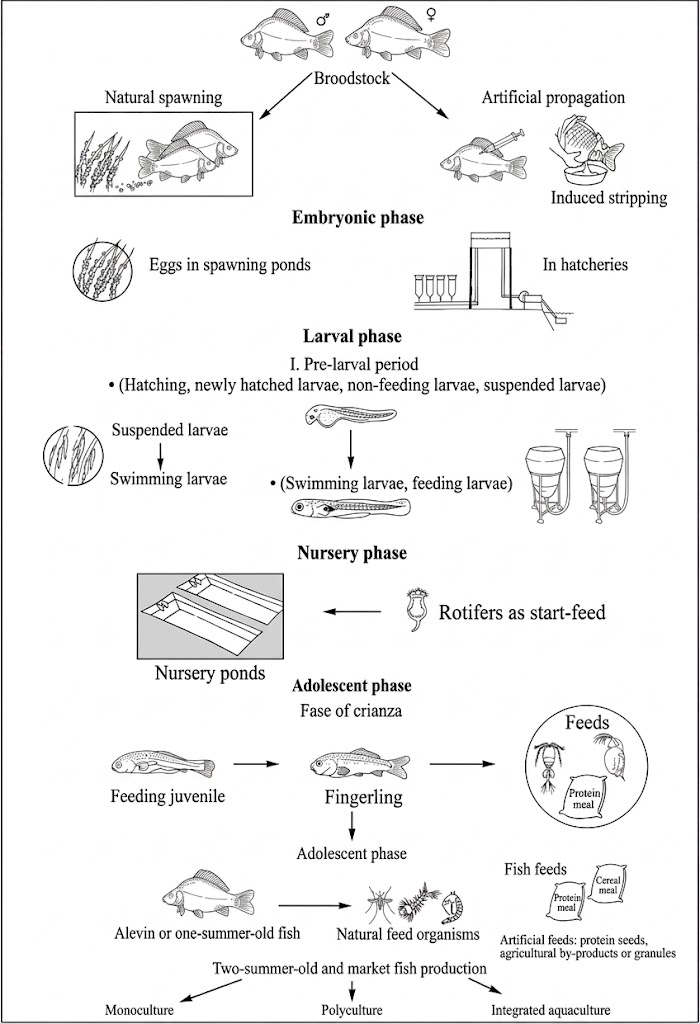
Haga clic sobre la imagen para ampliar la imagen. Fuente: FAO
Nine Policy Recommendations by FEAP
To preserve these essential productive and ecological spaces, FEAP outlines nine core policy recommendations for EU and national authorities:
-
Recognize the environmental and societal benefits of pond aquaculture within the EU Biodiversity Strategy and European climate targets.
-
Classify traditional freshwater pond aquaculture as a nature-based solution for water and nutrient retention.
-
Integrate fishpond systems into drought resilience, wetland restoration, and river basin management policies.
-
Implement coordinated spatial planning to secure dedicated space for fish farms providing ecosystem services.
-
Streamline and simplify administrative procedures for licensing and operations to safeguard sector continuity and local food sovereignty.
-
Establish targeted public compensation and investment support for ecosystem service maintenance, including sediment removal and beneficial agricultural reuse.
-
Enhance scientific monitoring and economic valuation of pond-related environmental services.
-
Foster close cooperation among aquaculture producers, environmental authorities, scientists, water managers, and rural communities.
-
Promote educational and communication initiatives to inform the public and policymakers about the comprehensive value of pond aquaculture.
FEAP concludes that maintaining the economic viability of pond farming operations is an essential prerequisite for sustaining these semi-natural ecosystems. As Europe faces mounting pressure on water resources, protecting and properly managing this managed wetland network remains an urgent environmental and societal priority.
🇯🇵 日本語 (Japanese Version) | AIによる自動翻訳
FEAP、気候変動下における欧州連合の淡水池養殖の生態系価値を評価
欧州養殖生産者連盟(FEAP)は、欧州大陸の25万ヘクタールの湿地を管理し、干ばつや生物多様性の喪失に対応する伝統的な池養殖の多角的な役割の公的承認を要請
ブリュッセル – 欧州養殖生産者連盟(FEAP)は、2026年9月9日、気候変動下における淡水養殖池の生態系価値に関する公式声明を発表しました。本文書は、コイ(Cyprinus carpio)の複合養殖を中心とする伝統的な池養殖が、欧州連合(EU)において約25万ヘクタールの自然状態に近い湿地環境を維持しており、欧州のグリーンインフラおよび農村遺産の重要な中核をなしていると強調しています。
声明では、養殖池が単なる食料生産施設にとどまらず、地域への食料供給と自然保護、気候変動の緩和および適応を両立させる多角的なシステムであると指摘されています。干ばつの頻発、水不足、生物多様性の低下が進む中、FEAPはこれらの生態系機能が偶発的なものではなく、継続的な養殖管理によって創出・維持されている点を明確に示しました。
生態系機能と養殖池のアクティブな管理
伝統的な内陸養殖システムは、低投入かつ魚粉への依存度を最小限に抑えた広延的または半高密度の方式で運営されています。これらの池では、コイのほか、ヨーロッパナマズ(Silurus glanis)、ペルカ(Sander lucioperca)、ノーザンパイク(Esox lucius)などの在来低栄養段階魚種が生産されています。FEAP加盟団体のデータによると、2023年の欧州主要生産国におけるコイ科魚類の生産量は54,793トンに達し、そのうち51,784トンをコイが占めました。
報告書は、養殖活動の停止が自然な生息地の回復を意味するわけではないと警告しています。水位管理、植生管理、定期的なメンテナンスが行われない場合、水面と湿地のモザイク構造が消失します。ドイツでの研究をはじめとする引用データによると、管理が放棄された池では野生魚類の種豊富な生態系が著しく低下することが確認されています。
主要な生態系サービスは以下の通りです:
-
水源の蓄積と流量調節: 洪水緩和、地下水涵養、景観規模での保水、渇水期における農業用水の供給。
-
地域気候の調節: 開放水面、アシ原、湿地植生の蒸散作用により、極端な気温変化を緩和し熱波の影響を緩衝。
-
生物多様性の保全: 両生類、爬虫類、哺乳類、無脊椎動物、および400種以上の鳥類の生息地を提供し、ナチュラ2000(Natura 2000)ネットワークを直接支援。
-
水質浄化と循環型経済: 有機物や栄養塩を沈殿・分解する自然のバイオリアクターとして機能。定期的におこなう底質(ヘドロ)の浚渫作業は、貯水量と生産能力を回復させると同時に、疲弊した農地に有機肥料を提供し、化学肥料への依存を減らします。ただし、FEAPは、この浚渫作業には高額な費用がかかり、欧州海洋・漁業・養殖基金(EMFAF)などの既存の支援制度では十分にカバーされていないと指摘しています。
FEAPによる9つの政策提言
これらの重要かつ持続可能な生産空間および環境資源を保護するため、FEAPは欧州および各国の行政機関に対して以下の9項目の政策提言を行っています:
-
EU生物多様性戦略および気候目標において、池養殖の環境的・社会的価値を公式に認識すること。
-
伝統的な淡水池養殖を、水および栄養塩保持のための自然に基づく解決策(Nature-based Solutions)として評価すること。
-
干ばつ対策、湿地再生、流域管理政策へ池養殖システムを統合すること。
-
生態系サービスを提供する養殖池のために、調整された地域空間計画と領域確保をおこなうこと。
-
免許取得および操業に関する行政手続きを簡素化し、食料主権と事業の継続性を支援すること。
-
浚渫土砂の農業利用を含め、生態系サービス維持に対する公的補償金および投資支援制度を確立すること。
-
保水性、生物多様性、水質浄化などの生態系サービスに関する科学的モニタリングと経済評価を強化すること。
-
養殖業者、環境当局、研究者、水資源管理者、地域社会との連携を強化すること。
-
淡水池養殖の価値について市民や政策立案者の理解を深めるための教育・広報プログラムを実施すること。
FEAPは、養殖池経営の経済的持続可能性を確保することが、長年培われてきた生態学的・社会的便益を維持するための不可欠な前提条件であると結論付けています。欧州全体で水資源への負荷が高まる中、管理された湿地ネットワークとしての養殖池を維持・再生することは、水産養殖分野の課題にとどまらず、環境および社会全体の緊迫した要請となっています。
🇨🇳 中文 (Simplified Chinese Version) | 由人工智能自动翻译
欧洲水产养殖生产者联盟强调气候变化下欧洲水塘養殖的生态价值
欧洲水产养殖生产者联盟呼吁正式承认传统淡水鱼塘的多功能价值,该系统在欧洲大陆管理着25万公顷的湿地,并为干旱和生物多样性丧失提供解决方案
布鲁塞尔 – 欧洲水产养殖生产者联盟(FEAP)于2026年9月9日发布了一份关于气候变化背景下淡水鱼塘生态价值的官方声明。文件强调,以鲤鱼(Cyprinus carpio)多品种混养为主的传统池塘养殖,在欧洲联盟内维持着约25万公顷的类自然湿地,是欧洲绿色基础设施和乡村遗产的重要组成部分。
声明指出,淡水鱼塘不仅是食品生产设施,更是将本地食品供应与自然保护、气候变化缓解及适应相结合的多功能系统。在干旱频率增加、水资源短缺和生物多样性下降的背景下,FEAP强调,这些生态功能并非偶然产生,而是通过持续的养殖管理活动创造并维持的。
生态系统功能与鱼塘的积极管理
传统的内陆池塘养殖系统主要采取粗放或半精细化的低投入运营模式,对鱼粉的依赖极低或完全无需使用。这些池塘主要养殖本地低营养级的淡水鱼类,包括鲤鱼、欧洲鲶鱼(Silurus glanis)、梭鲈(Sander lucioperca)和白斑狗鱼(Esox lucius)。根据FEAP成员协会收集的数据,欧洲主要生产国在2023年记录的鲤科鱼类产量为54,793吨,其中51,784吨为鲤鱼。
报告警告称,单纯放弃养殖活动并不一定会自动恢复更具生物多样性的自然生息地。如果没有水位控制、植生管理和定期维护,开阔水域与湿地的嵌合体就会消失。文件中引用的德国相关研究表明,缺乏管理的废弃池塘中,野生鱼类物种的丰富度最低。
主要确定的生态系统服务功能包括:
-
水资源储存与调节: 提供洪水缓冲、地下水补充、景观尺度的蓄水以及干旱时期的农业灌溉支持。
-
局部气候调节: 通过开阔水面、芦苇丛和湿地植被的蒸腾作用 moderated 极温,缓冲热浪影响。
-
生物多样性保护: 为两栖类、爬行类、哺乳类、无脊椎动物及400多种鸟类提供栖息地,直接支持自然2000(Natura 2000)保护区网络。
-
水质净化与循环经济: 作为天然生物反应器,沉淀并分解营养盐和有机物。定期清除底泥(清淤)可恢复蓄水能力,并为贫瘠的农田提供富含有机质的肥料,减少化学矿物肥料的使用。然而,FEAP指出,清淤工作成本高昂,目前尚未获得欧洲海洋、渔业及水产养殖基金(EMFAF)等现有金融工具的充分资助。
FEAP提出的九项政策建议
为了保护这些兼具生产与生态价值的空间,FEAP向欧盟及各国政府提出了九项核心政策建议:
-
在欧盟生物多样性战略和欧盟气候目标中,充分承认池塘养殖的综合环境与社会效益。
-
将传统淡水池塘养殖划定为用于水资源和营养盐保持的基于自然的解决方案(Nature-based Solutions)。
-
将鱼塘系统纳入抗旱力建设、湿地修复及流域水资源管理政策中。
-
实施协调的空间规划,为提供生态系统服务的鱼塘养殖保留专门空间。
-
简化许可和运营的行政程序,保障产业的长期延续性与本地食品主权。
-
为维持生态系统服务提供针对性的公共补偿和投资支持,包括底泥清淤及其农业资源化利用。
-
加强对蓄水、生物多样性、水质净化及碳平衡等生态服务的科学监测与经济价值评估。
-
促进水产养殖生产者、环境保护部门、科学家、水务管理者与乡村社区之间的紧密合作。
-
开展教育和宣传项目,提高公众及政策制定者对淡水池塘养殖价值的认识。
FEAP总结道,保持池塘养殖企业的经济可行性,是维持这些生态和社会效益的必要前提。随着欧洲面临日益加剧的水资源压力,保护、管理和修复这些具备生产力的湿地系统,不仅是水产养殖业的优先事项,更是重大的环境与社会需要。
editorial@seafood.media
www.seafood.media
|




.jpeg)
 Print